
In Spain, rural areas cover 84% of the territory, yet only 16% of the population lives there, nearly half of them women. Despite their crucial role, women in agriculture face systemic discrimination: only 26% of the agrarian workforce is female, and merely one third of farm holdings have women as titular owners. Globally, rural women shoulder most unpaid domestic and care work, limiting their access to education, services, and economic opportunities. Through the stories of Antonia, Mónica, Cristobalina, and Lisa, this project follows the lives of women who continue to resist, work, and inhabit the countryside. Their histories, struggles, and everyday acts of care trace a rural world that grows, nourishes, and persists: a world that demands to be seen on its own terms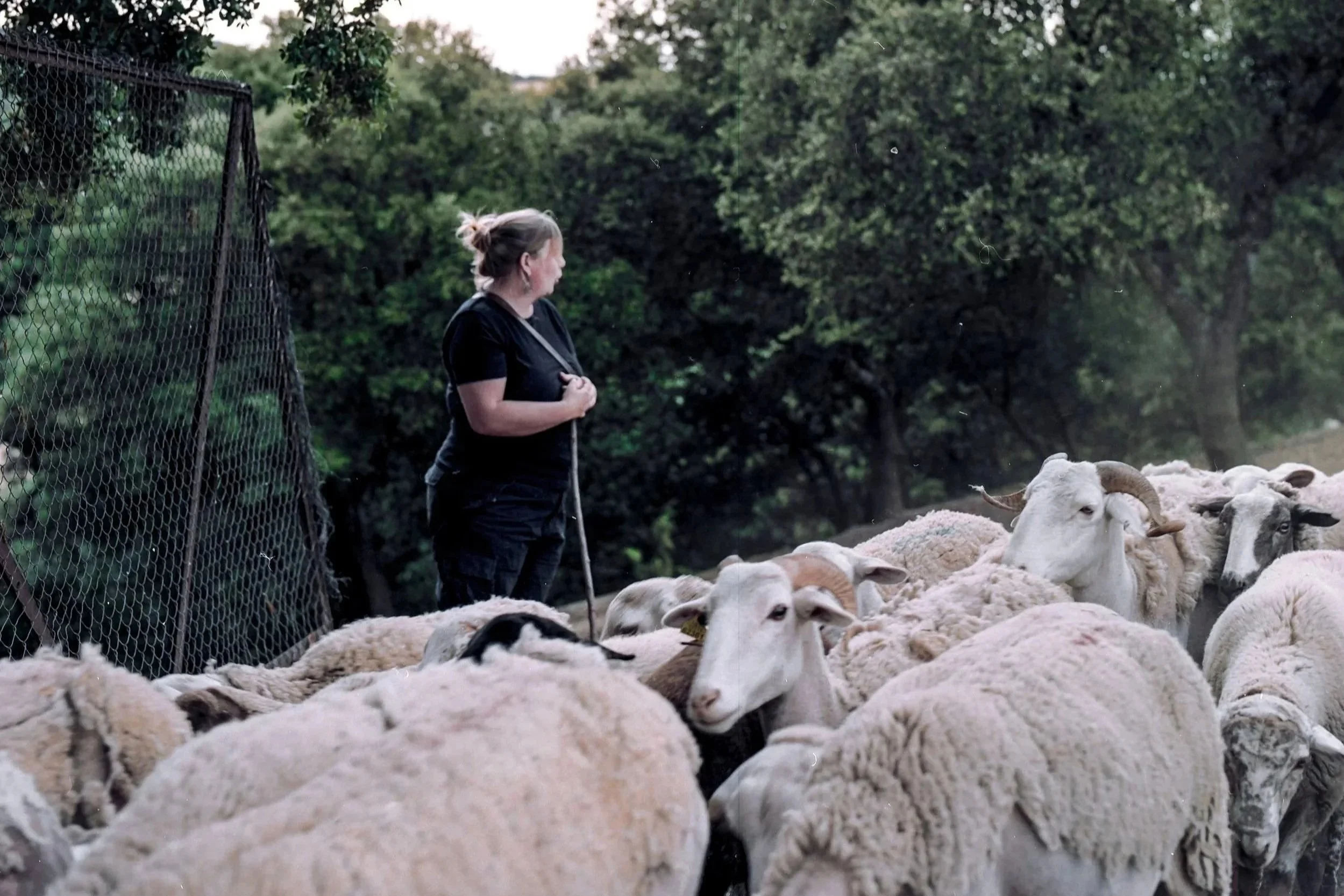

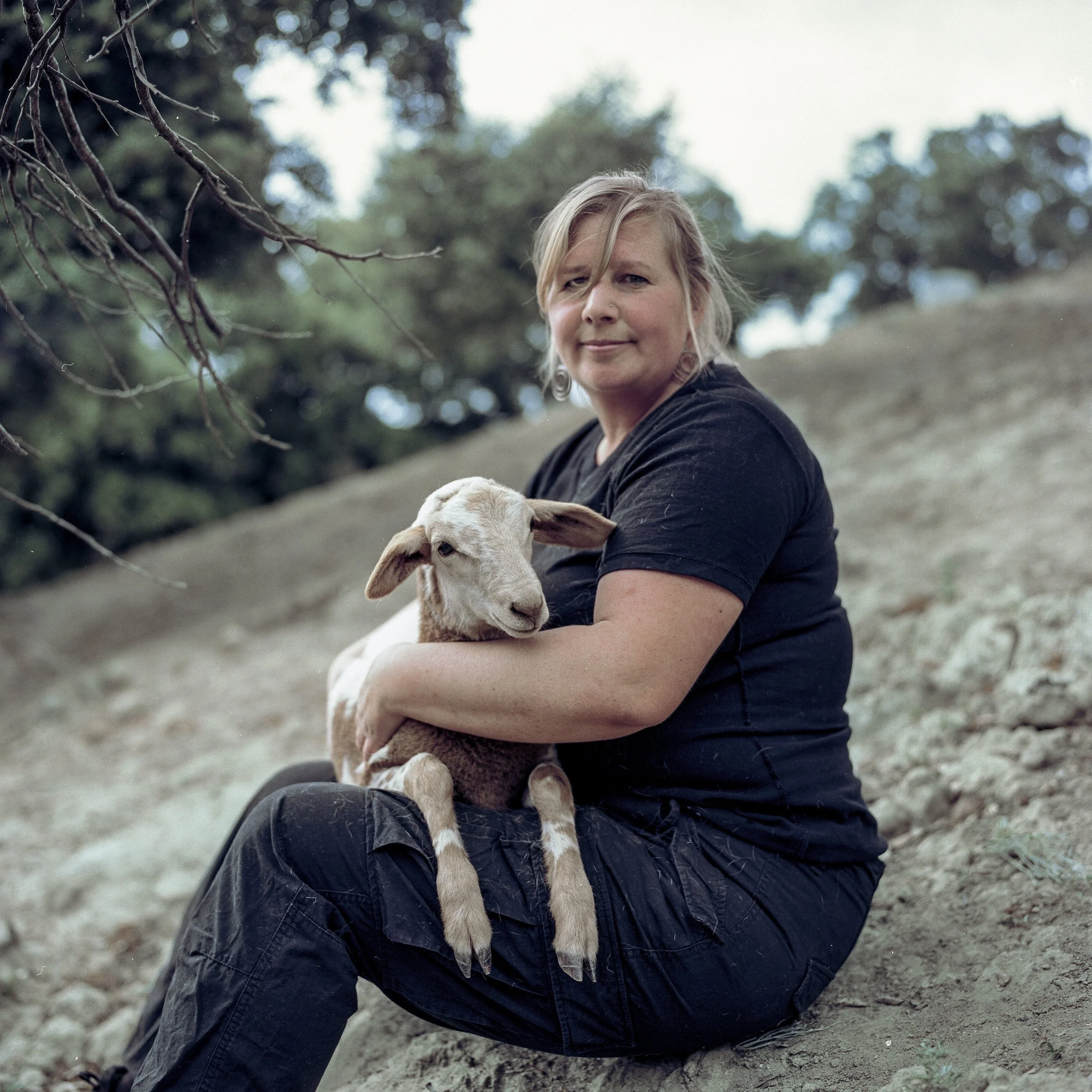
Lisa works as a livestock farmer in the mountains of Ronda, where she walks her sheep each afternoon across her fields. She describes women as “the pillar” of rural life, but a pillar often left without support, without help, without networks, without visibility. As a mother, she explains how difficult it is for women to remain in the countryside under these conditions. Despite her expertise, professionals rarely consult women about agricultural or extensive livestock practices. When she purchased her land, the previous owners insisted on registering it under her husband’s name; she was only able to change it years later. 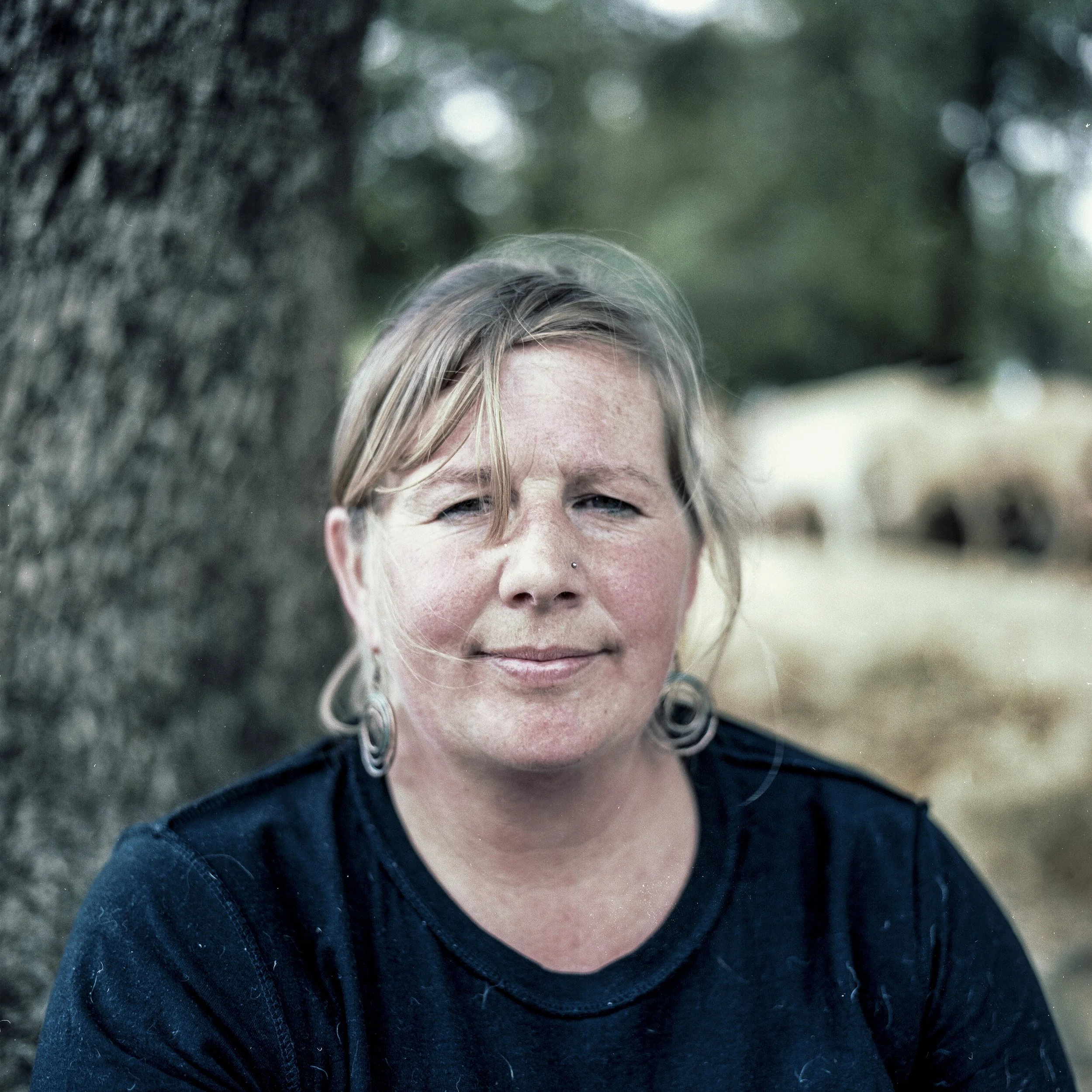
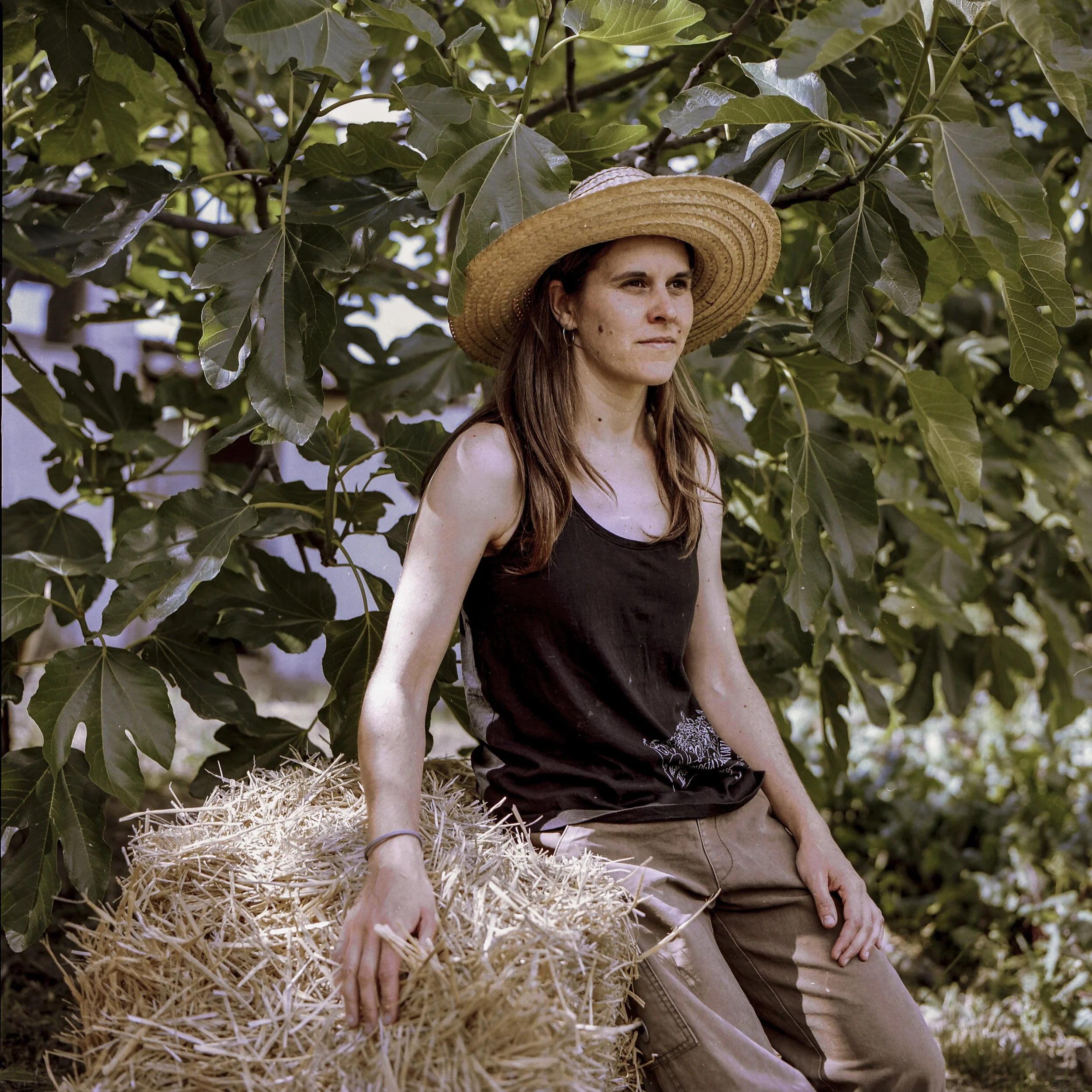
Mónica, grows seasonal fruits and vegetables in Coín, sending them to shops across Andalucía. Working the land has become for her a way to reconnect with herself, a slow return to the rhythms of nature that so many of us forget. She feels a historical debt toward women, whose contributions are often overlooked, and has experienced it firsthand: in the early days of the project she runs with her partner, Manuel, interviewers directed every ques tion to him, as if the work belonged solely to himFor Mónica, agriculture is inseparable from care: care for the land, and care for the people who depend on it—a perspective she embraces through feminism, and a vision that guides every seed she plants.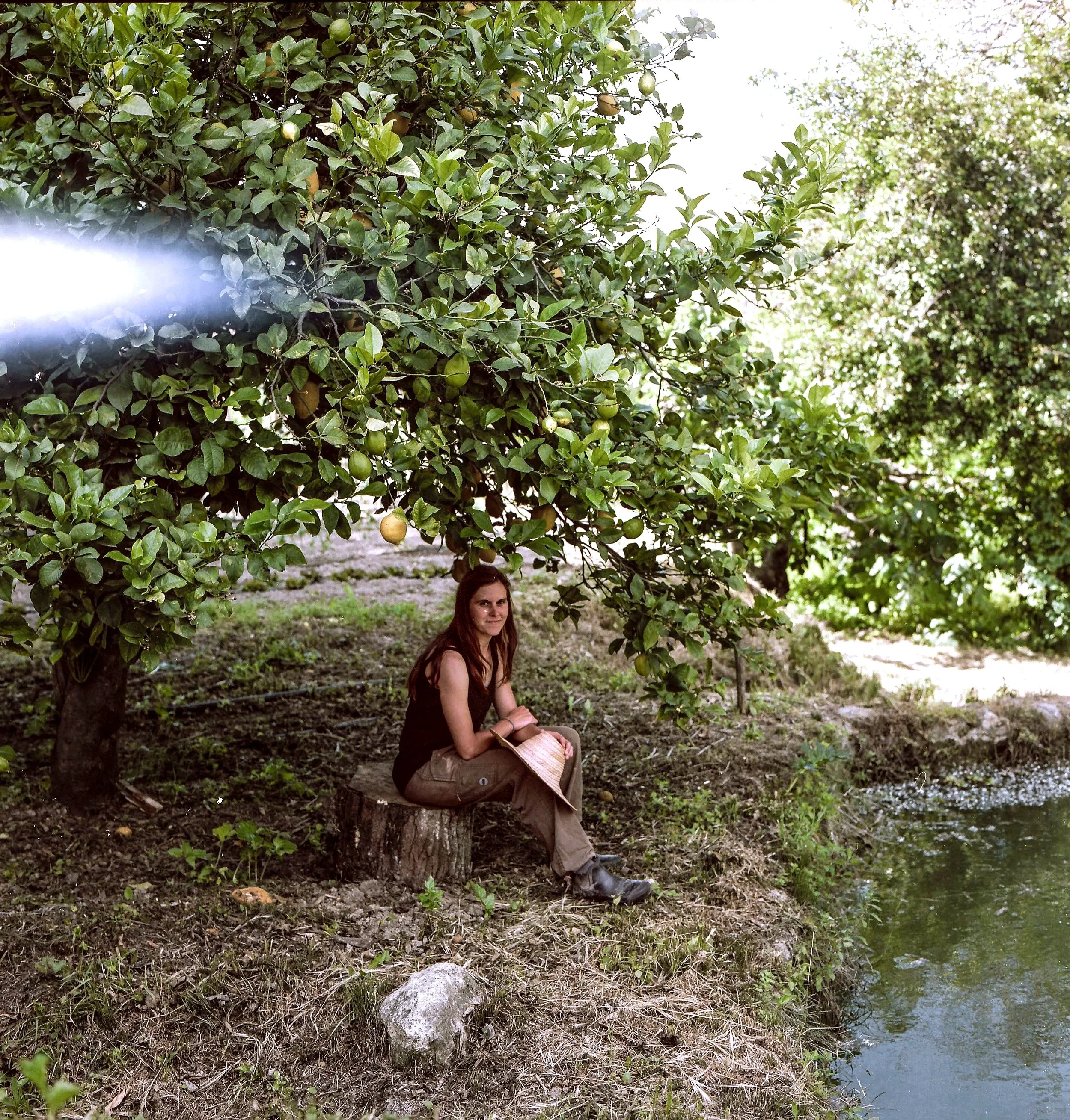
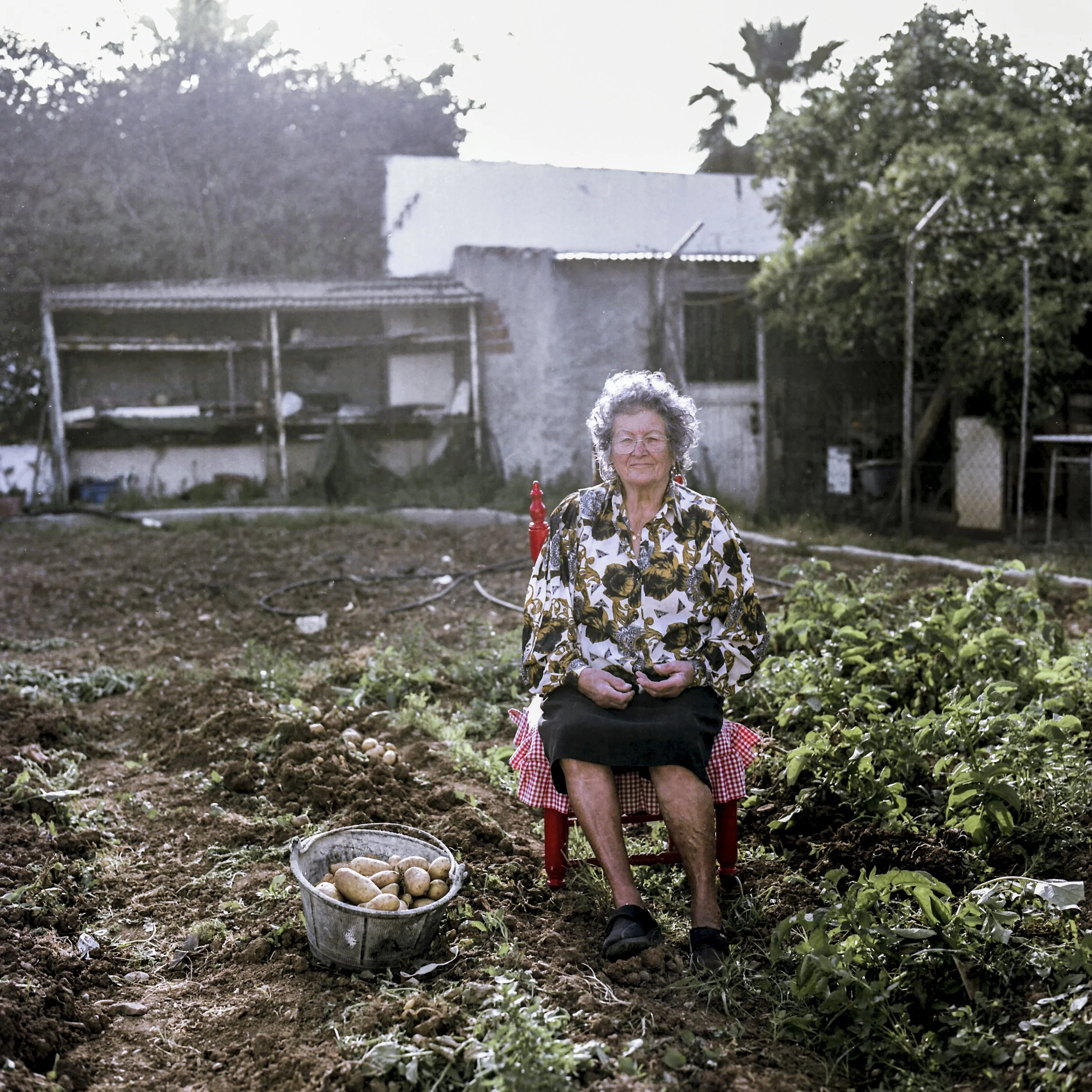
Antonia is the last farmer in her family and the only woman who has ever worked the land. She learned to cultivate the fields from her father and grandfather, growing up in a time when women were rarely seen in agriculture.

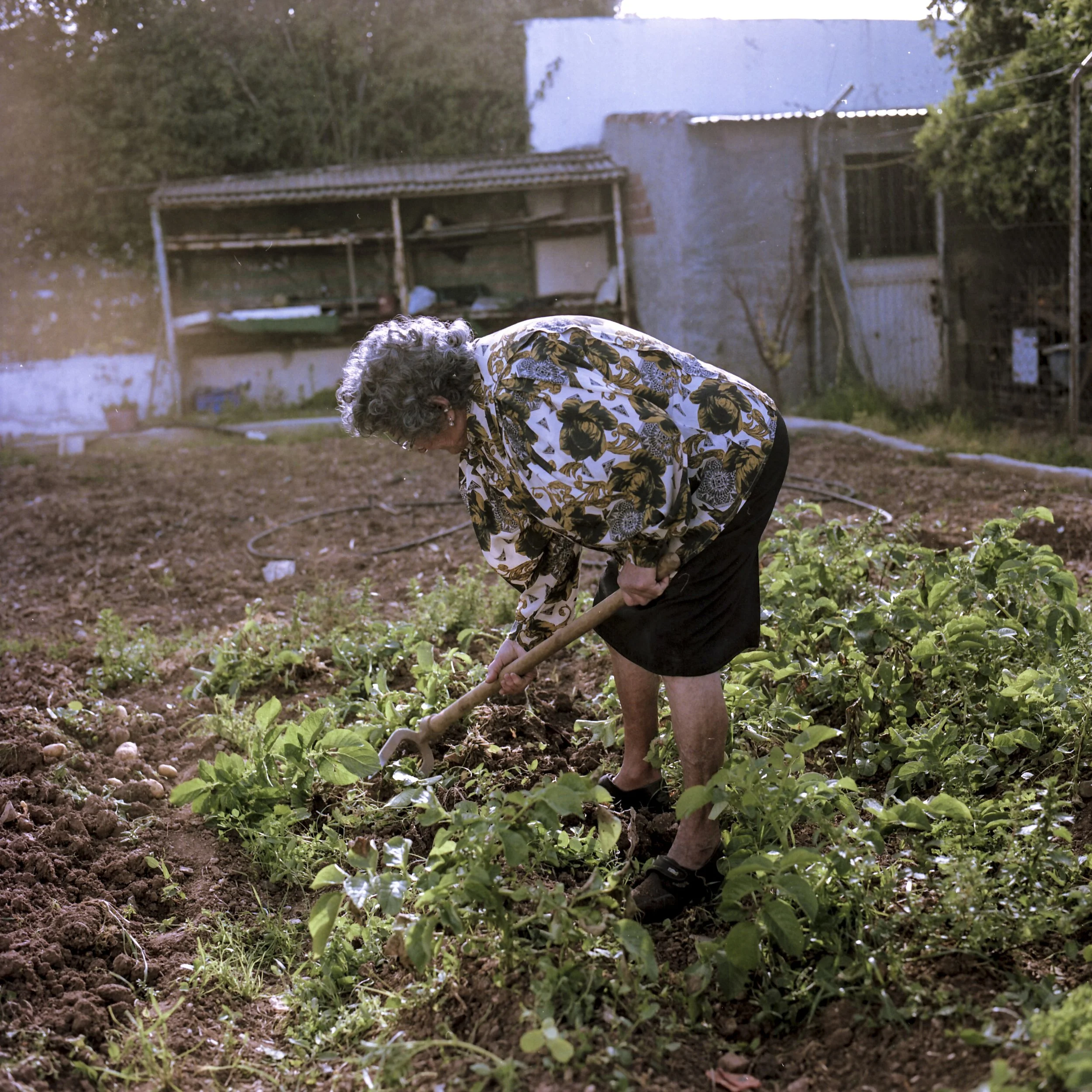
Today, she tends a field of orange trees in the Vega de Mestanza, Málaga, and a small vegetable garden filled with lettuce and spinach. Every morning, she carries a chair to the edge of her land and spends the hours immersed in the soil. She remembers how, as a young woman, her work was often dismissed, yet, she never left the land.
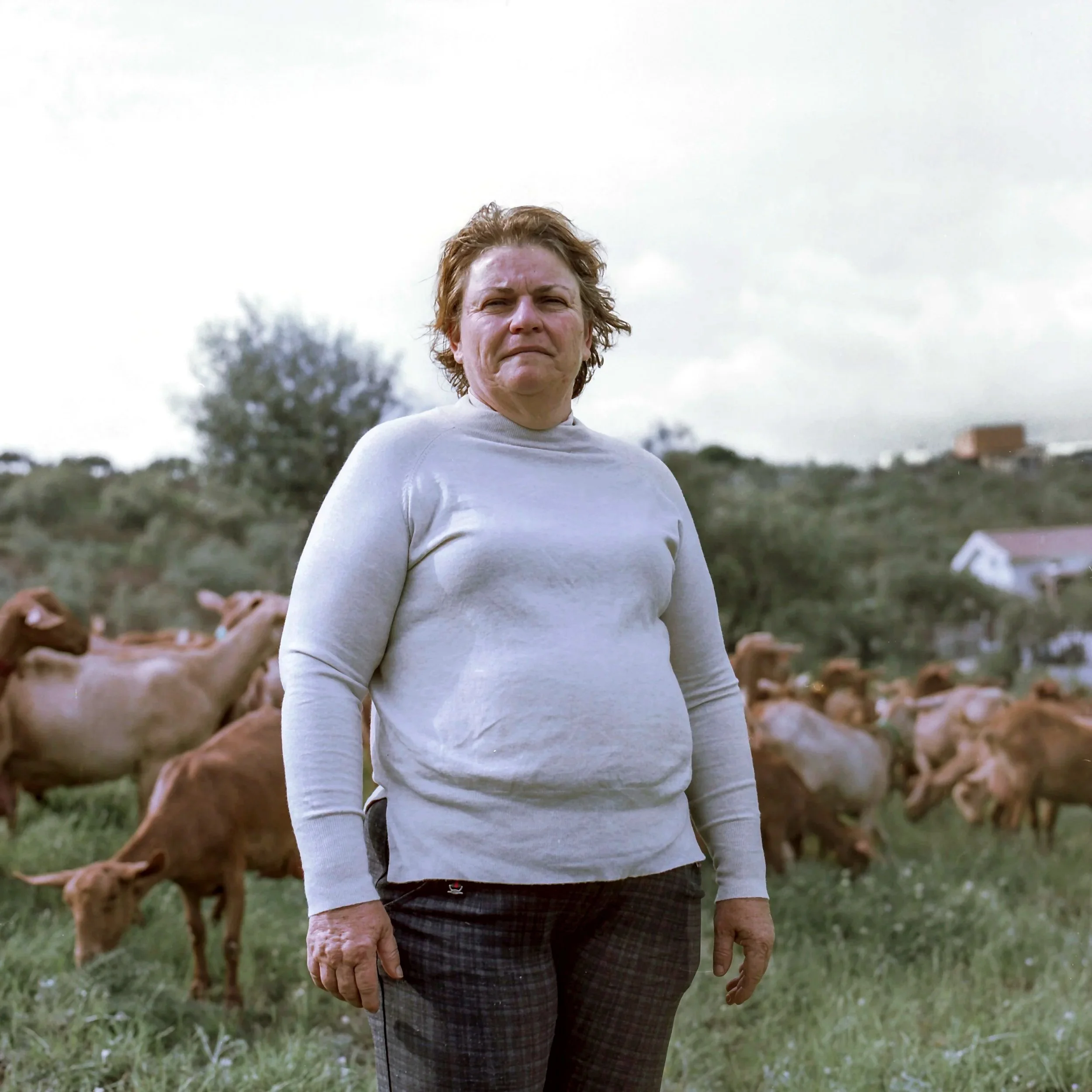
Cristobalina explains that in agriculture “women are always behind the scenes,” and that few are recognized or made visible, even though “without us, the product would never arrive.”

She and her daughter, Lucía, run a small cheesemaking business in Torrox. Like Antonia, they are the only ones in their family who chose to remain in the countryside. Their work includes caring for chickens, milking and herding goats, and managing the daily labour required to sustain the farm. Lucía often says that rural life is romanticized: people appreciate the countryside only when it gives, without seeing the difficulty of maintaining it. She believes we are not taught to value the elements behind each meal: the origin of the milk, the vegetables on the plate, or the processes that bring them there.
“We don’t need to be told to repopulate or preserve the land: we only need the freedom to choose whether to stay or go. And when women are seen, heard, and valued, the countryside endures".